How Everyday Kids Activities Can Impact Growing Spines
Kids are busy, and that is a good thing. School, sports, screens, and play all help them learn and grow. At the same time, a growing spine is softer and more flexible than an adult spine, so it can be stressed more easily by daily habits that repeat over and over.
Backpacks that are too heavy, long hours of screen time, and intense sports seasons can quietly add up. The strain might start as small posture changes or "just a little soreness," but over time it can lead to headaches, back pain, and tight muscles. These issues often show up more during the school year, when routines are packed and kids sit more.
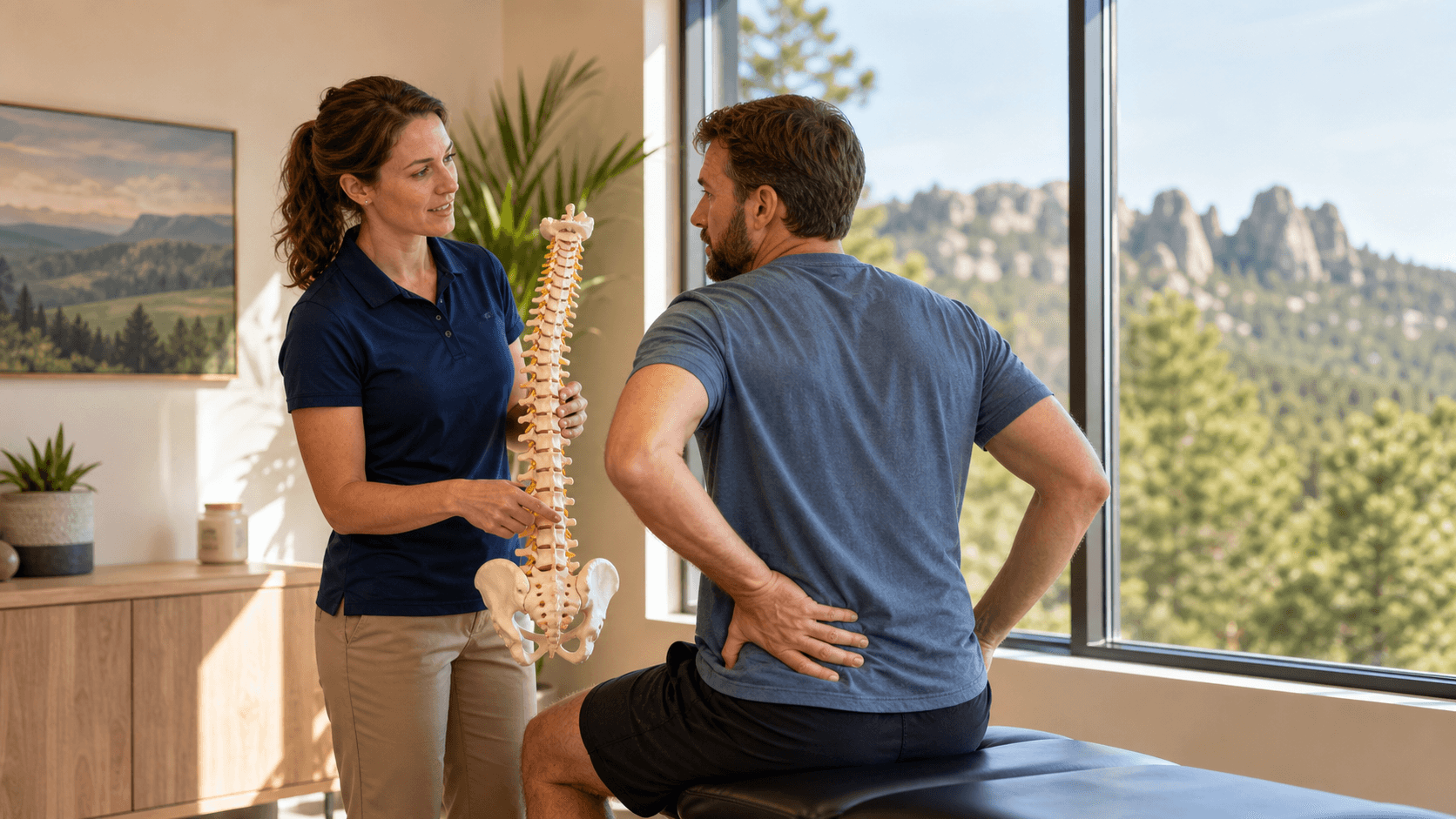
A pediatric chiropractor in Rapid City can be a partner in watching how your child moves, sits, and carries weight. Care is not only about fixing pain after it starts; it is also about catching small problems early so kids can stay active and comfortable as they grow.
Backpack Habits That Protect Your Child's Back
Backpacks are part of almost every school day. When a backpack is too heavy, worn on one shoulder, or hangs too low, it can pull a child forward and strain the neck, shoulders, and lower back. This strain grows when kids walk long distances, climb stairs, or carry sports gear too.
Parents can watch for signs that a backpack is not working well, such as:
- Leaning forward while walking
- One shoulder looking higher than the other
- Red marks or dents on the shoulders after taking it off
- Complaints of shoulder, neck, or back soreness after school
Some simple changes can make a big difference:
- Aim for the backpack to weigh about 10 to 15 percent of your child's body weight
- Choose wide, padded shoulder straps and a strap across the waist or chest if possible
- Place heavier books and items closest to the spine, lighter things toward the outside
- Use both shoulder straps, not just one, and tighten them so the bag sits near the middle of the back
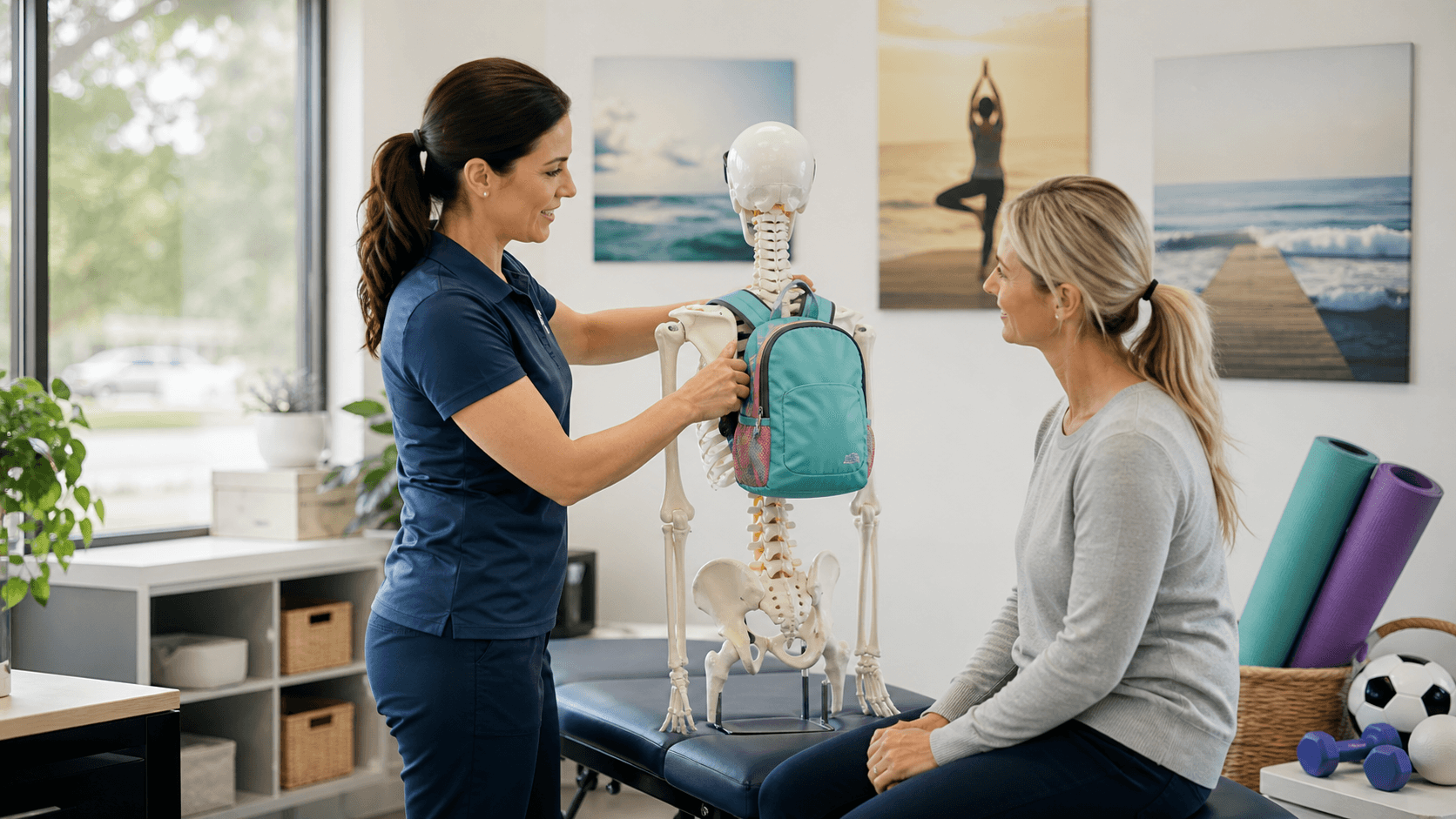
A pediatric chiropractor in Rapid City can check how your child stands, walks, and carries their bag. We can also look at spinal alignment and show you and your child how to adjust the backpack so it fits their body better.
Screen Time, Slouching, and Tech Neck in Kids
When kids sit with screens for homework, gaming, or videos, their bodies often fall into the same slouched posture. The head slides forward, the shoulders round, and the upper back stiffens. Over time, this "tech neck" posture can become a habit, even when kids are not using a device.
Poor screen posture can lead to:
- Tension headaches
- Neck, upper back, and shoulder pain
- Tight chest muscles and weak upper back muscles
- Trouble staying focused in school because of discomfort
You can set up simple screen rules at home:
- Keep screens at eye level when possible, using stands, books, or pillows under tablets and laptops
- Encourage sitting with feet flat on the floor and the back supported by the chair
- Set a timer so kids take a quick movement break every 20 to 30 minutes
- Teach a few posture cues, such as "ears over shoulders" and "open chest"
A chiropractor can teach gentle stretches and strengthening moves that help undo screen strain. This might include easy neck stretches, shoulder blade squeezes, or core work that supports better posture as your child grows.
Youth Sports, Play, and Preventing Overuse Injuries
Sports are wonderful for kids. They build strong bodies, confidence, and friendships. But when a child repeats the same movements again and again, or plays hard with little rest, the growing spine and joints can be stressed.
Different sports tend to stress different areas:
- Gymnastics and dance often challenge the low back with lots of bending and arching
- Football can strain the neck and upper back from contact and heavy gear
- Soccer and running can stress the hips, knees, and lower back from constant impact
- Volleyball and similar sports can tighten the shoulders and upper spine
Parents and coaches can lower the risk of overuse by:
- Making sure kids warm up and cool down with simple movements and stretches
- Encouraging cross-training so the same muscles are not stressed every day
- Building in rest days each week
- Choosing supportive, sport-specific footwear
- Teaching kids to speak up about pain instead of always trying to push through
A pediatric chiropractor in Rapid City can watch how a young athlete moves, lands, and twists, then check spinal alignment and joint motion. We can suggest changes to movement patterns and create a care plan that supports both performance and safety during busy sports seasons.
Simple At-Home Routines to Support Healthy Spines
You do not have to overhaul your whole routine to help your child's spine. Small, daily habits add up over time.
Try weaving a few of these into your day:
- Quick morning stretch: reach for the sky, gently twist side to side, and roll the shoulders
- Active play after school: biking, playground time, or a walk to balance long periods of sitting
- Calm evening movement: gentle stretching before bed to relax tight muscles
You can also make posture and core work fun:
- Balance games, like standing on one foot while brushing teeth
- Animal walks, such as bear walks, crab walks, or frog jumps across the room
- Wall posture checks, standing with heels, hips, and shoulders against the wall for a few breaths
Sleep is another big piece of spine health. A supportive mattress and pillow that keep the head in line with the body are helpful. Encourage kids to sleep on their back or side instead of on their stomach, which can twist the neck. Turning off devices before bed and having a simple wind-down routine can help their body relax.
At-home care is helpful, but it has limits. It is time for a professional evaluation if you notice:
- Persistent or repeated back, neck, or head pain
- One shoulder or hip looking higher than the other
- A change in the way your child walks or runs
- A posture that seems to be getting worse, not better
Taking the Next Step Toward Your Child's Spinal Health
Backpacks, screens, and sports are part of normal childhood, and they are not "bad" on their own. The key is how your child uses and balances them. When parents pay attention to posture, movement, and early warning signs, small changes can protect a growing spine and support comfort for years to come.
At Rushmore Family Chiropractic, we care for kids of many ages and activity levels here in Rapid City. We focus on gentle, kid-friendly care that is tailored to your child's body, daily habits, and comfort. With the right support, your family can enjoy school, sports, and play with fewer aches and more confidence in how your child's spine is growing.
Support Your Child's Health With Gentle, Proven Care
If your child is struggling with discomfort, developmental challenges, or keeps getting the same injuries, we are here to help you find clear answers and a safe path forward. As a trusted pediatric chiropractor in Rapid City, Rushmore Family Chiropractic provides gentle, age-appropriate care tailored to your child's unique needs. We will walk you through every step, explain what we find, and create a care plan that fits your family. Ready to talk with a doctor about your child's symptoms and options, or schedule a first visit, please contact us today.