Confident First Visit for Your Child
A first pediatric chiropractic visit can bring up a lot of questions for parents. You want to know what will happen, how your child will feel, and how to make the visit go smoothly. Having a simple checklist can take away a lot of the worry.
Pediatric chiropractic care focuses on how a child's spine and nervous system are working together as they grow. Gentle care can support posture, comfort during school and homework, sports performance, and everyday movement like running, jumping, and carrying a backpack. At Rushmore Family Chiropractic, our goal is to make visits calm and friendly so kids feel safe from the moment they walk in. Fall is often a smart time for a checkup, before winter sports and long hours of colder-weather screen time start to add stress to growing bodies.
We always match our touch to your child's age and comfort level. Babies, toddlers, older kids, and teens are all seen in different ways, with very light, specific techniques. You stay with your child the whole time and are part of every step.
Before You Go: Paperwork, Prep, and Parent Planning
A little planning before the first appointment can make things easier for you and your child. It also helps us understand the full picture of your child's health.
Helpful information to gather includes:
- Pregnancy and birth history
- Previous injuries, falls, or sports accidents
- Chronic issues like asthma, allergies, ADHD, frequent headaches, or tummy trouble
- Current medications or supplements
- Any recent playground spills or "minor" bumps that seemed to change how they move
You will likely fill out intake forms that ask about:
- Your child's health history
- Any current symptoms or concerns
- Insurance details, if you plan to use them
- School or sports questions, such as posture at a desk, backpack strain, or how they feel after practice
It also helps to prepare your child in simple, honest language. You might say, "We are going for a back and body checkup to help your body move and feel better." Some kids relax more if they:
- Bring a favorite stuffed animal or blanket
- Look at a picture book about doctor visits
- Know that you will stay with them the whole time
For clothing, choose comfy, loose clothes that let your child move easily. Soft pants or shorts and a T-shirt often work well. This makes it easier to look at posture and gently check the spine, shoulders, and hips.
What Happens at a Pediatric Chiropractic First Visit
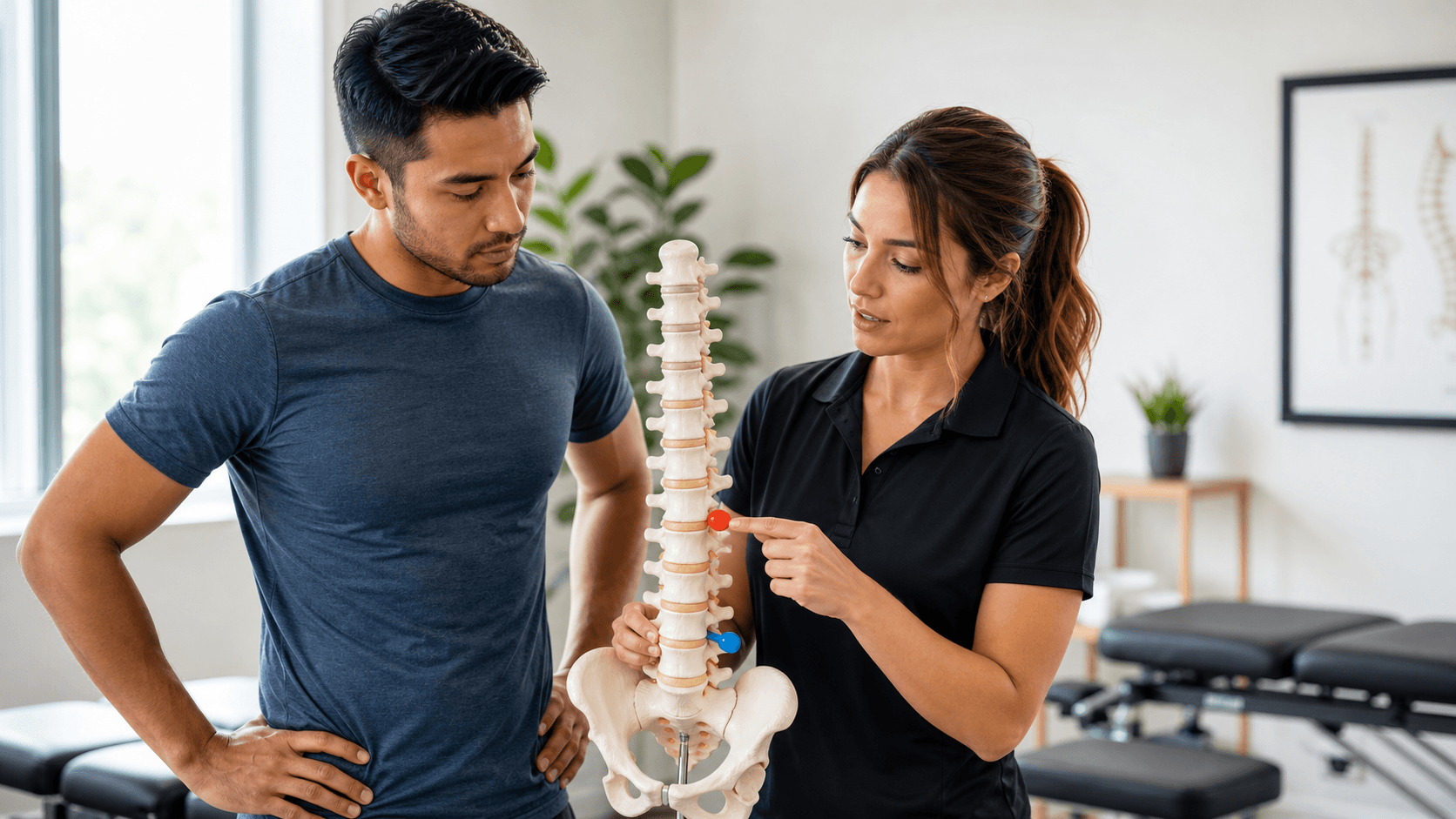
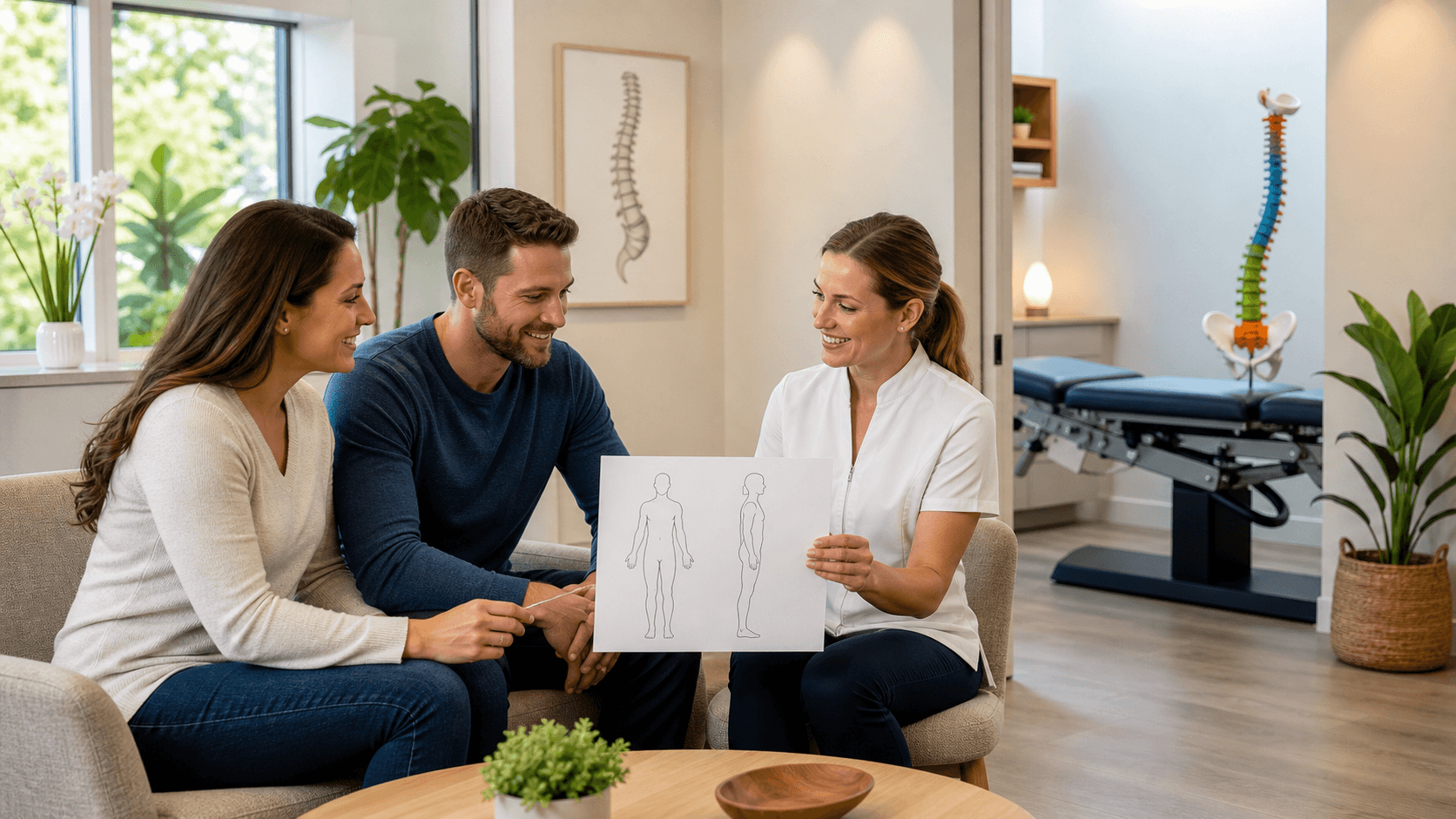
When you arrive, you and your child are greeted and checked in, then shown where things are, like the waiting area and restrooms. We want the office to feel relaxed and family-friendly, not cold or scary. Before any exam happens, there is a sit-down chat with the doctor to talk about your child's history and your goals.
The exam is gentle and age-appropriate. It may include:
- Posture check while they stand and sit
- Simple range-of-motion checks like turning the head or bending forward
- Gentle palpation, which is light touch along the spine and muscles to feel for tension or tight areas
- Age-specific checks, such as tummy time discussion for babies, gait and balance for toddlers, or sports readiness and movement patterns for older kids
If an adjustment is appropriate at the first visit, the touch is very light and precise. For infants and young children, the pressure is often no more than what you would use to test a ripe tomato. Many babies hardly notice. Older children may feel a soft push, gentle stretch, or in some cases a small "pop" sound, which is just gas moving in a joint, not bones rubbing.
Parents are encouraged to stay right by their child's side during the whole process. If there is a need for X-rays or other tests, we explain why they might help and when they are truly needed. We only suggest extra testing when it is clinically important and with your child's safety in mind.
Safety, Comfort, and Communication During Care
When you choose a pediatric chiropractor in Rapid City, you want someone who is used to caring for babies, toddlers, kids, and teens. That includes not just hands-on skills, but also knowing how to talk with kids at their level.
During the visit, the doctor will:
- Explain what is happening in kid-friendly words
- Check in with your child's comfort often
- Adjust techniques if your child seems nervous or sensitive
- Move slowly and stop if anything feels like too much
Kids may feel:
- Gentle pressure on parts of the spine or joints
- A light stretch in tight muscles
- A quiet "click" or "pop" in older kids, which is usually painless
We invite parents to watch their child's face and body language as an extra layer of reassurance. Safety is always a top focus. Tables and tools are sanitized, and we use child-sized equipment when appropriate. We are clear about what we will and will not do on the first visit, so there are no surprises.
After the Visit: What to Watch for and When to Return
Once the first visit is done, many kids feel lighter, looser, or simply more relaxed. Some may be extra tired that evening, drink more water, or feel mild soreness, similar to starting a new activity. This usually passes quickly.
At home, you can quietly notice changes in:
- Posture while sitting, standing, and carrying a backpack
- Sleep quality and how easily they settle down
- Mood, focus, and general comfort at school
- Headaches, tummy issues, or growing pains
- How they move during sports, recess, or play
Based on what we see during the exam and what you share, we may suggest a follow-up plan that fits your child's age, activity level, and goals. For some, the focus may be better comfort at school. For others, it might be sports performance or fewer aches during growth spurts.
It can help to keep a short "observation log" for a week or two after that first visit. Jot down anything you notice, good or bad. This is especially useful during busy fall schedules in Rapid City, when small changes are easy to miss.
Turning a First Visit Into Lifelong Healthy Habits
We encourage parents to see the first pediatric chiropractic visit as the start of proactive care, not just something to do when a child is in pain. Regular checkups of the spine and nervous system can support growing bodies as they handle school, sports, and seasonal changes.
There are also simple at-home habits that can support what we do in the office, such as:
- Doing quick backpack fit checks so weight is balanced
- Taking screen-time posture breaks to stand, stretch, and reset
- Adding gentle stretching routines, especially in cooler fall and winter months
- Talking about sleep positions and pillow height so the neck feels supported
At Rushmore Family Chiropractic, we enjoy caring for families in Rapid City and helping kids build healthy patterns that can last. Small, steady steps, like that very first visit and a few daily posture habits, can support stronger, more resilient kids through school, sports seasons, and South Dakota winters.
Support Your Child's Health With Gentle, Personalized Care
If you are looking for a trusted pediatric chiropractor in Rapid City, we are here to help your child feel and function their best. At Rushmore Family Chiropractic, we take time to understand your child's needs and tailor each adjustment to their age and comfort level. Schedule an appointment today or contact us with any questions so we can partner with you in your child's wellness.