During the summer months, we often see more questions about spinal decompression. With added outdoor activity, from hiking in the Black Hills to long hours of gardening, it's common for people to feel extra tightness in the back or stiffness in the neck. The warmer weather might bring rest from shoveling snow, but it comes with its own kinds of strain. Summer movement isn't always easy when the spine is already feeling off. That's when people start looking into options, including spinal decompression in Rapid City, as a possible way to feel more comfortable and mobile.
What Spinal Decompression Is, And Isn't
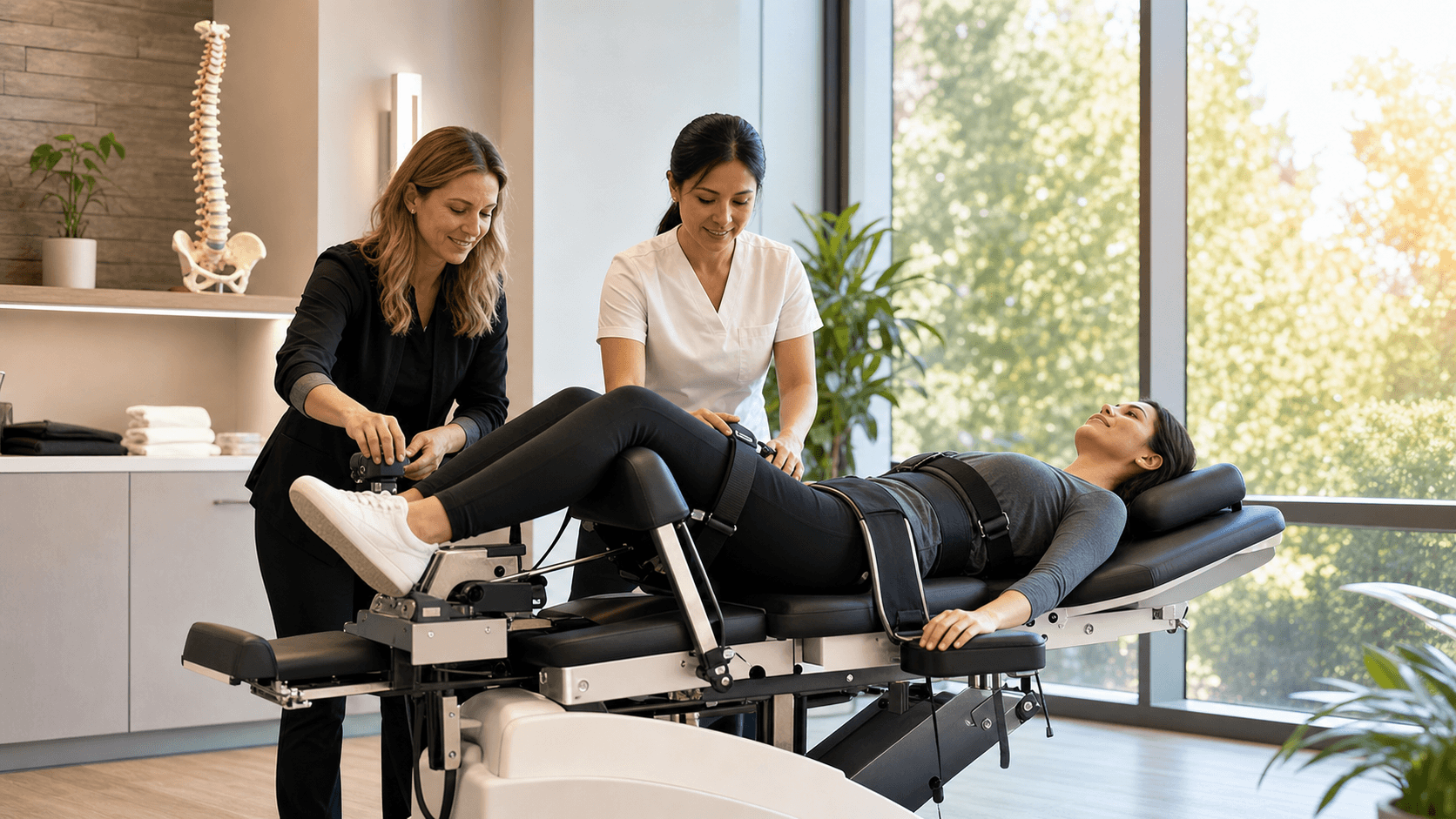
Spinal decompression is a gentle type of therapy that aims to reduce the pressure in the spine. It's not the same as a general stretch or a quick adjustment. Instead, it often involves lying on a specialized table while gentle pulling motions help open up space between the vertebrae. This shift is small and controlled, not sharp or sudden. Some people describe the feeling as a slow, relaxing stretch along the back.
This kind of therapy doesn't pop or crack the spine. It's different from traditional adjustments and isn't done while standing or twisting. Instead, it focuses on pulling certain areas to help with spinal spacing and may allow the back to breathe a bit more freely. Support during the session can include padding or belts, depending on what part of the spine needs help. What matters most is comfort and positioning that feels right during the process.
At Rushmore Family Chiropractic, our clinic offers nonsurgical spinal decompression targeted for the lower back and neck, using specialized equipment to help relieve disc pressure and nerve irritation. Each session is designed with your comfort in mind, and our doctors provide a thorough movement assessment beforehand.
Common Reasons People Consider It
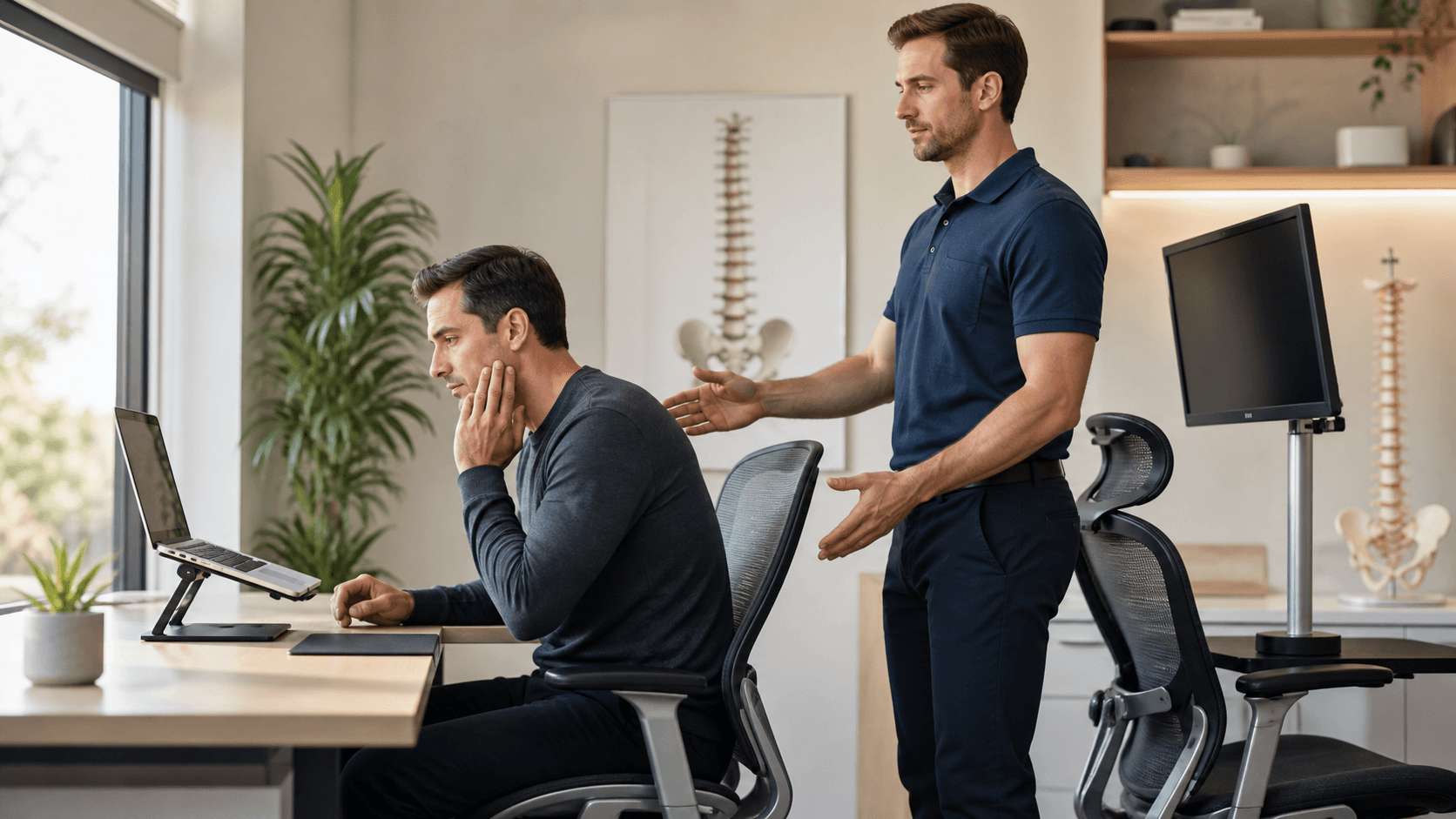
There are a few typical reasons someone might ask about spinal decompression. Tension in the lower back and neck is one of the biggest. That tightness can come from sitting too long or doing the same motion over and over, like bending for yard work or unloading supplies. People with older injuries sometimes notice their discomfort returns more during these busier summer months.
Here are some common signs that may lead someone to consider decompressing the spine:
- Tingling or pins-and-needles in the arms or legs
- Achiness or pain in the back after standing or walking
- Feeling like a certain area of the back or neck is locked or stuck
- Reduced range of motion that shows up during hikes or weekend chores
Active movement can often bring these patterns out more clearly. That's why we pay attention to how the body reacts when daily tasks begin to feel heavier than they should.
How Spinal Decompression May Support Healing
When pressure builds up between spinal discs, it can sometimes irritate nearby nerves or muscles. Spinal decompression works by slowly easing that pressure. This can give the body a better chance to calm down the surrounding tightness, especially when combined with other supportive care. Some people say they feel lighter or looser afterward, like their back is moving more freely.
That response varies. There's no one-size-fits-all outcome, but the idea behind decompression is simple. Give the spine space to relieve pressure and allow more natural movement. In Rapid City's summer heat, when we're all moving more, this kind of treatment can feel refreshing if the back has been feeling heavy for a while. The focus stays on helping the body recover without pushing it deeper into discomfort. Any support given should be decided based on actual need, not just a trending idea.
What to Know Ahead of Time
Before trying spinal decompression, it helps to know what to expect. This therapy isn't meant to be a miracle fix or a one-time cure. Depending on the situation, it might be recommended across several visits, especially if the pressure has been around a while.
Comfort during a session also varies. Some people find it relaxing, while others might feel a little sore afterward. That kind of soreness usually fades within a day, especially when movement stays gentle afterward. If the body has been dealing with poor posture or shifting alignment, soreness can just be part of releasing that tension.
Decompression often works best when paired with other types of care. Sometimes we'll suggest movement scans or posture checks alongside this therapy, just to better understand what's contributing to the issue. When the bigger picture is understood, care tends to work longer and offer results that last.
Each patient's spinal decompression experience at Rushmore Family Chiropractic is monitored for comfort, and our doctors explain each step from the first visit. Custom plans may also include gentle adjustments, stretching routines, or rehab strategies to support ongoing back health.
Movement Tips for Summertime Comfort
Even with great care, what we do between visits matters. Rapid City's summers can bring dry heat, which makes it easier to stay outside longer and push the body further. A few small habits can help take pressure off the back before it builds up.
- Stand and stretch after sitting for long periods
- When hiking, pack light and adjust your shoulder straps regularly
- In the yard or garden, change positions often and avoid bending the same way too long
- Rise slowly from squatting or kneeling instead of rushing into a standing position
- Drink enough water to stay hydrated, since muscles respond better when fluid levels stay steady
These simple steps aren't about doing everything perfectly. They're about staying aware of how the spine feels during common summer movements.
Making Room for Long-Term Relief
As summer moves forward, it can bring out the aches many of us started feeling in winter. That slow build of tension often shows up during longer hikes, yard work, or road trips when we're sitting for hours. Spinal decompression might offer support when bodies feel stuck halfway between rest and motion.
It's not about chasing quick relief but paying attention when movement starts to feel limited or tense. If the back has been stiff for weeks or the neck keeps tightening during daily routines, that's when easing off pressure may help. Our goal is to support better movement using steady care, not shortcuts. When we give the body space to move again, a lot of summer activity feels more doable. That's what matters most when we want to keep moving without pain.
Summer is the perfect time to get relief from that heavy, tight feeling in your back or neck before it becomes a bigger issue. At Rushmore Family Chiropractic, we help people who are active, love the outdoors, or are simply tired of constant stiffness. By focusing on improved movement, we make daily activities easier and more comfortable. You don't have to handle it alone, our approach to spinal decompression in Rapid City is focused on your body's needs. Call us today and see how we can help you move more freely this summer.